


You may be holding a passport and a big question: is a nile cruise the right way to see Luxor and Aswan for your trip? This guide from Nile Cruise Offers helps you decide with clear pros and cons, not sales spin.
Think of the river as a moving hotel that bundles transport, lodging, and most meals. Some ships, such as Sonesta Moon Goddess, have private balconies in every cabin. Other boats lack elevators, run fixed dining times, and start very early for long tours like Abu Simbel by bus.
Expect busy docks, quick temple stops at Edfu and Kom Ombo, and crowded moments when multiple vessels tie up together. Many travelers praise the stress-free logistics and river views; others prefer land-based freedom or short felucca sails in Aswan.
Over the next minutes you will learn what is included versus what costs extra, how daily schedules affect your energy, and whether the cruise worth question matches your time and comfort level.
Key Takeaways
- This guide gives candid, brand-neutral pros and cons to help you choose.
- Ships can offer comfort but may limit mobility and meal timing.
- Expect crowded docks and short stops at major temples during peak times.
- Alternatives include land tours, flights to Abu Simbel, or felucca sails.
- Use the site links to jump to sections that match your priorities.
Is a Nile cruise right for you? How to use this pros and cons guide on Nile Cruise Offers
If your travel goals include temples, comfort, or flexible pacing, use this post to match priorities to realities. Nile Cruise Offers is the neutral site that frames real on-river conditions and land alternatives so you can decide fast.
Many itineraries bunch visits at the same places, creating peak crowd windows. Docking often stacks multiple vessels side-by-side. Onboard days can bring fixed mealtimes and early starts, and some sail fewer hours than listed.
- Map priorities: comfort, flexibility, budget, pace, then compare itinerary impact.
- Skim pros for set-it-and-forget logistics; read cons to learn about timing and crowd patterns.
- Explore land options if you prefer split nights, felucca time in Aswan, or flights to Abu Simbel.
- Use links in this guide to jump to planning tips, cost notes, or the land itinerary blueprint.
- If you lean toward take nile cruise, use the final checklist to confirm fit before booking.
| Logistics | Flexibility | Crowds |
| Bundled transport and lodging | Less room for last-minute changes | Peak windows at major temples |
| Fixed meal and tour times | Land routes allow split nights | Multiple boats may dock together |
Pros of a Nile cruise: why people love cruising between Luxor and Aswan
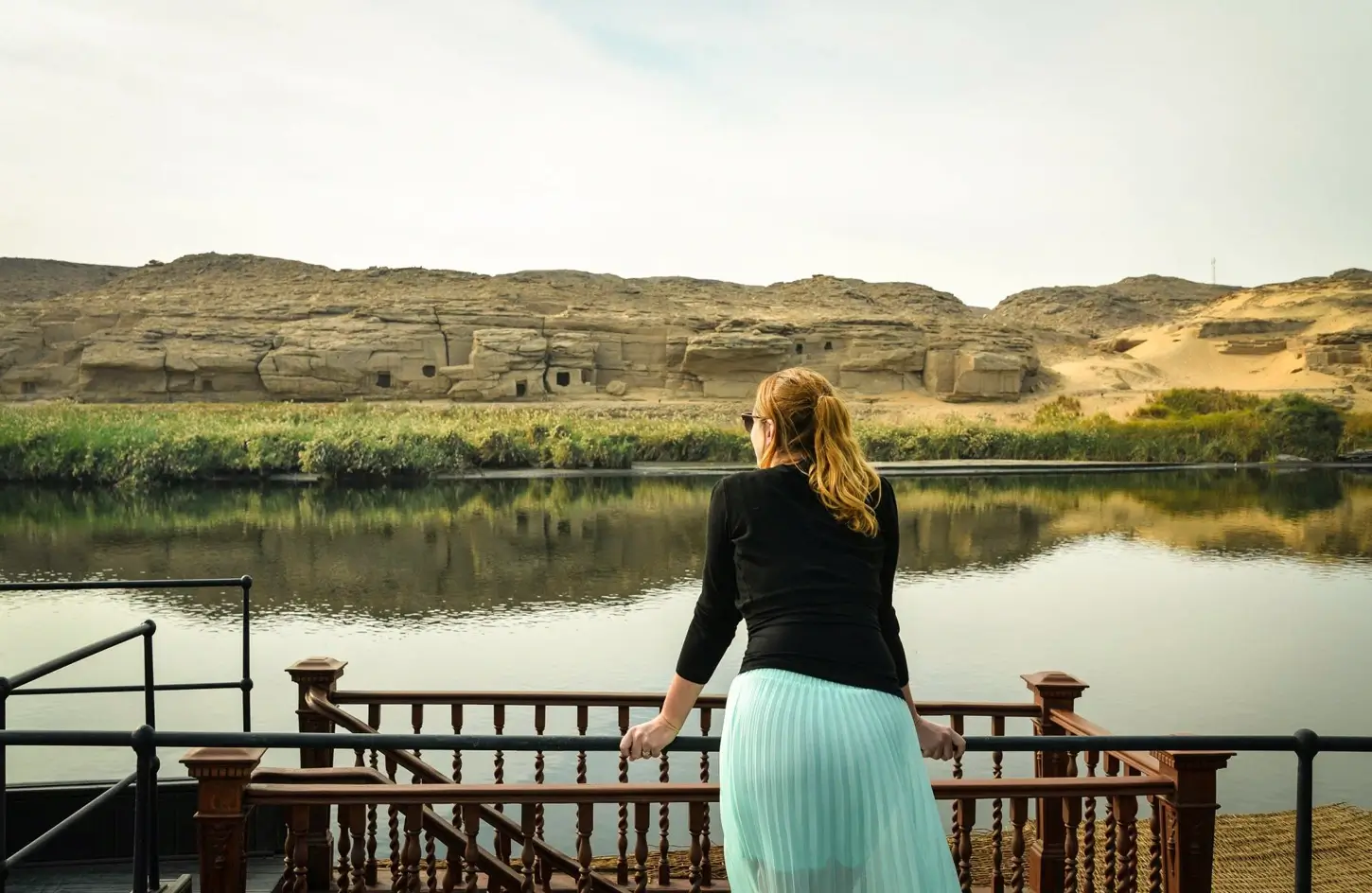
Presented by Nile Cruise Offers, this section highlights where river travel truly excels so you can match perks to your style.
Convenience is the headline. You stay in one cabin while the ship moves you between Luxor and Aswan. That turns transit time into downtime for reading, photos, and relaxed deck time.
- Point-to-point ease along Luxor Aswan—no packing between hotels and steady progress past river scenes.
- Typical itineraries include Edfu and Kom Ombo temples, sites that many land travelers miss because of long drives.
- Many trips bundle meals and tours, which frees your mental energy and makes short days cover major sites quickly.
- Some cruise ships offer notable perks; Sonesta Moon Goddess has private balconies in every cabin for sunrise and sunset views.
- Options often include a day trip to Abu Simbel and local village visits for cultural contrast on board the route.
- Good mid-range value versus stitching hotels, drivers, and tours together—an organized experience for multi-generational passengers.
| Perk | Typical Inclusion | Why it matters |
| Bundled logistics | Transfers, most meals, guided tours | Saves time and planning stress |
| Scenic transit | Deck access, private balconies on some ships | Relaxing way to see river life between sites |
| Curated tours | Temple visits, optional Abu Simbel day trip | Covers must-see sites without complex transfers |
Cons of a Nile cruise: crowds, pace, and practical drawbacks to consider
Busy docks and fixed schedules often create friction for travelers who want calm time. Peak windows at major sites can compress visits into short, crowded slots. That rush leaves little room to linger at Edfu or Kom Ombo.
Many ships lack elevators, so stairs are the norm on older cruise ships. Early departures for Abu Simbel by bus mean late dinners and very early mornings on the same day.
- Side-by-side docking may block river views and force you to cross other ships to reach shore.
- Passengers report noise transfer, slow pricey Wi‑Fi, repetitive buffet food, and smoky air when many vessels sail together.
- Hidden cost items—alcohol, gratuities, optional tours—raise the overall cost unless you confirm inclusions.
- Onboard medical care is basic; serious cases route to shore. Bring meds and coverage for evacuation in that case.
- For groups, logistics simplify planning but reduce control over daily pace and quiet time.
| Issue | What happens | Practical tip |
| Crowded sites | Short visits during peak hours | Book private or early tours if possible |
| Side-by-side docking | Blocked views, walking across other vessels | Choose cabins facing midship or stay on deck later |
| Fixed meal windows | Set dining times despite long tour days | Bring snacks and confirm meal schedule before arrival |
| Limited onboard care | Serious cases go ashore | Carry prescriptions and travel insurance with evacuation |
Should I take a Nile cruise? The case for and against, based on your travel profile
Your travel profile — whether you favor ease, privacy, or deep exploration — determines which option fits best.
For people who find planning stressful, a cruise worth the time often delivers. It bundles itinerary, transport, and most meals, so your trip runs smoothly. Many ships meet mid-range expectations by U.S. hotel standards (about 3.5 stars), making cost predictable for busy days.
If quiet mornings and lingering at temples matter, land travel wins. You can book early visits, fly to Abu Simbel, and book standout hotels like Sofitel Legend Old Cataract for true luxury on shore.
- If you have limited days, cruises compress highlights efficiently and help maximize time on the river.
- If group energy and meeting people appeal, ship life rewards social travelers; if solitude is crucial, land stays protect private time.
- If cost control is key, compare per-day totals for ships versus top hotels and private transfers before you commit.
| Priority | Best option | Why |
| Convenience | Ship | Set itinerary and bundled services |
| Freedom | Land | Tailor days, avoid peak crowds |
| Luxury feel | Hotel or top ship | Pick based on amenities and private transfers |
Use this guide to list your top three must-haves, then match them to the option that cuts compromises. That case-by-case check helps others pick what really fits their time and taste.
Nile cruise alternatives: land itineraries and day-cruise options that still hit the highlights
For many travelers, splitting nights on shore and adding short sails delivers the best parts of both worlds.
Build a 5–7 day land itinerary that splits time between Luxor and Aswan. Fly between cities to save hours and keep energy high for major sites.
For Abu Simbel, fly by air to avoid an early, long bus day. This gives more time on site in better light and avoids the pre-dawn marathon.
- Book felucca half-day sails from Aswan for quiet river moments that often feel more intimate than larger vessels.
- Plan dedicated tours to Edfu and Kom Ombo from either city to linger at reliefs and skip the crowded 20–30 minute stops.
- Choose hotels that act as destinations: Sofitel Legend Old Cataract or the Winter Palace make evenings special and put riverside places within walking distance.
- Use private drivers or small-group tours to time visits at opening hours and beat the wave linked to nile cruises.
- Keep one flexible day to revisit favorites or add a museum, and add a one-day or overnight sail if you want on-water time without committing to a full cruise.
| Option | Best for | Why |
| Land-only 5–7 days | Deep visits | More time at Valley of the Kings, temples at opening hours |
| Fly to Abu Simbel | Efficiency | Short flight replaces long bus day and improves light for photos |
| Short felucca sail | Serenity | Wind-powered, intimate river experience from Aswan |
| Mixed plan (hotel + 1-day sail) | Balance | Flexible pacing with one on-water night to feel the river |
Links in this post point to booking resources and planning tools so you can price land itineraries and cruise options side by side before choosing your travel path.
Planning tips from Nile Cruise Offers: itineraries, time, and budget realities
Plan smart to keep daylight hours and energy aligned with each stop on your itinerary. Lock your travel time first, then pick an itinerary that fits daylight and sleep needs so evenings do not run late and pre-dawn starts are not back-to-back.
Verify inclusions line-by-line. Confirm which meals and tours are covered and what extras add to final cost. Alcohol, gratuities, Wi‑Fi cards, bottled water, and incidentals add up faster than you expect.
- If abu simbel tops the list, compare the bus day versus flying; flight saves hours and keeps you fresher on site.
- Ask about accessibility: elevator access, stair counts, and cabin placement matter for mobility and motion sensitivity.
- Request quieter rooms away from engines or high-traffic areas, and book river-view hotels early in high season.
- Leave one open afternoon to rest or revisit a favorite site; a bit of flexibility improves the whole trip.
| Choice | Best for | Key reality |
| nile cruise | Convenience | Bundled logistics, set meal times |
| Land itinerary | Deep visits | Access opening hours, flexible pacing |
| Mixed plan | Balance | Short sail plus hotel nights for calm |
We include select affiliate links for vetted tours, flights, and hotels so you can price options quickly; as an affiliate, we may earn from qualifying bookings at no extra cost to you.
What to expect on board and on shore: practical notes for American travelers
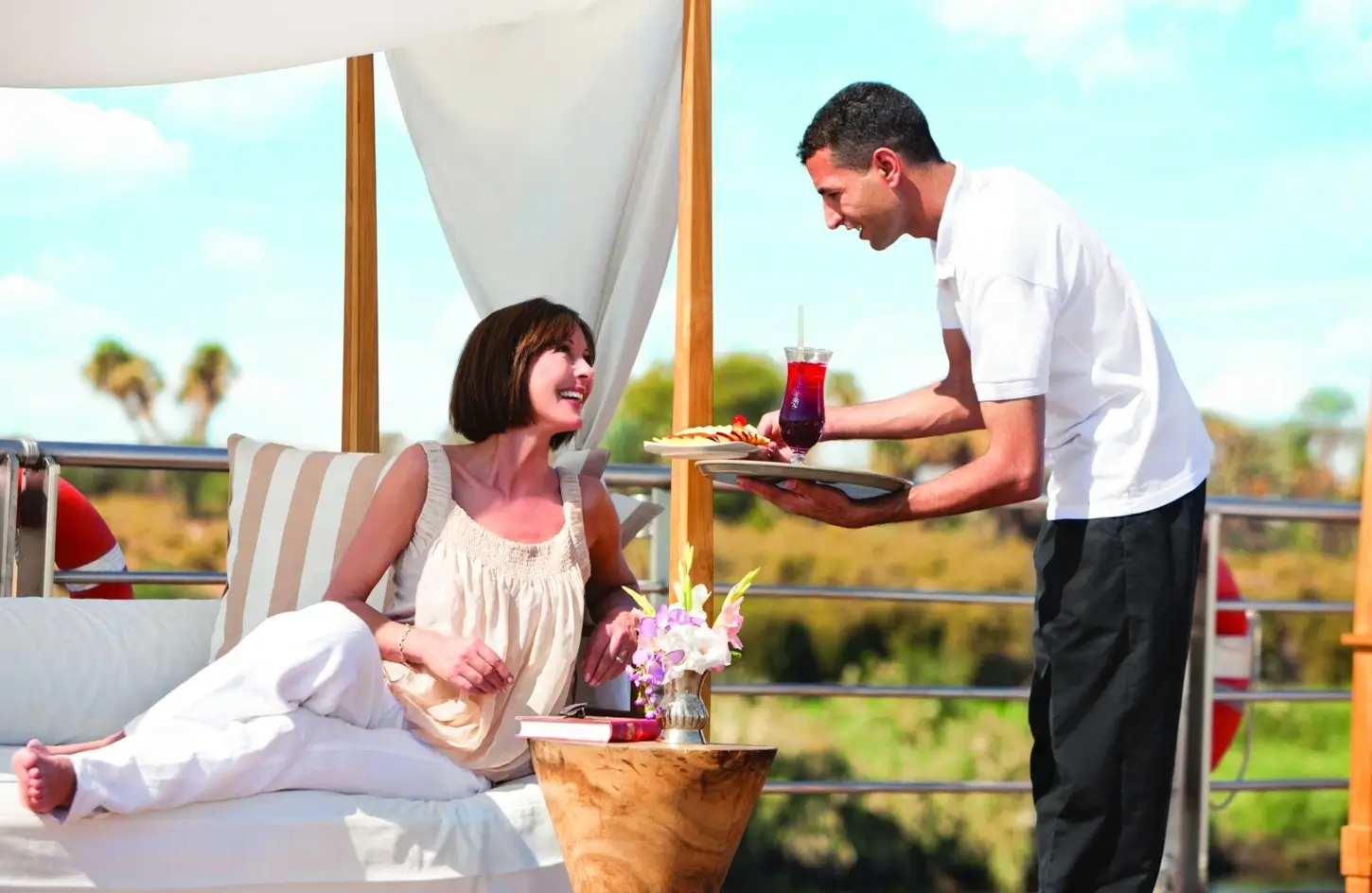
Expect a mix of compact comfort and lively riverside bustle once you board. Many vessels lack elevators, so cabins and bathrooms can feel small. Noise sometimes carries in hallways, so pack earplugs and a sleep mask for better rest.
Meals often follow fixed times and dinners may run late. Bring small snacks for the afternoon if late meals disrupt your routine. Food tends toward buffet service and repeats over several days.
Wi‑Fi is usually slow and metered. Download maps, podcasts, and e‑books before travel and use hotel Wi‑Fi when in port to save data.
- Sellers at docks can be persistent; a polite, firm no and walking on works best.
- Day tours start early and popular sites get crowded when many vessels dock.
- For valley kings visits, aim for first entries to beat heat and lines and limit the tomb list to what you truly want to see.
- Consider flying to Abu Simbel by air to avoid a very early, long bus day and get better light on site.
| On board | On shore | Practical tip |
| Compact cabins, friendly staff, engine hum | Roomier hotels, quieter nights, more control | Bring earplugs, request midship rooms if possible |
| Fixed meals, buffet food | Restaurant variety and timed dining | Pack favorite snacks and check meal schedules |
| Slow, paid Wi‑Fi | Hotel Wi‑Fi often faster | Download essentials before boarding |
| Quick, organized tours for many passengers | Early private tours let you linger at temples and sites | Reserve early entries on land days for valley kings visits |
Tipping customs differ from US norms. Carry small bills for guides and crew and ask your tour manager for recommended amounts per day. These small steps make the whole trip more relaxed and predictable for American travelers.
Conclusion
Your choice between on‑water comfort and land‑based freedom will shape how you spend Luxor‑Aswan days and how the temples stay with you afterward.
If you value moving once, a nile cruise bundles transport, lodging, and most meals so you focus on views and site visits. If quiet mornings and flexible pacing matter more, land nights with short sails or felucca time make a strong alternative.
Both options reach the same temples; the real difference is how you use your trip time. Ask about elevators, cabin placement, inclusions, and crowd plans before you book ships or hotel nights.
Use the planning tips above, price both options side by side, and click our affiliate links when ready. This post aims to help you choose the path that fits and enjoy an unforgettable experience on the Nile River.
FAQ
Q: Is a Nile cruise the best way to see Luxor and Aswan?
A: A river trip between Luxor and Aswan gives direct access to major temples and tombs while reducing daily packing. It lets you wake up near key sites like the Valley of the Kings and Kom Ombo. If you prefer fewer hotel moves and scenic river time, this route fits well. If you favor independent exploration or need a faster pace, consider land options or day tours.
Q: How many days are ideal for a full experience?
A: Seven nights is the classic weeklong option that covers Luxor, Edfu, Kom Ombo, and Aswan with guided shore visits. Shorter 3–4 day sailings hit highlights between Luxor and Aswan and suit limited schedules. If you plan an Abu Simbel detour, add at least one full day by air or an overnight bus.
Q: What are common pros passengers mention?
A: Guests often praise minimal hotel changes, onboard meals, and guided excursions that streamline visiting major antiquities. The river scenery and slow pace make travel restful. Luxury vessels add private suites, pools, and refined dining for a higher-end experience.
Q: What practical downsides should you weigh?
A: Expect set itineraries and early shore starts to beat crowds. Group sizes at major temples can get large during peak season. Ship standards vary, so research cabins, reviews, and included services to avoid surprises on food quality or hygiene.
Q: How does cost compare with hotels and land tours?
A: Midrange boats often bundle lodging, most meals, and guiding, which can be cost-effective versus booking separate hotels, transfers, and tours. Luxury lines command premium prices. Budget-conscious travelers can mix trains, buses, and day trips for lower upfront costs.
Q: Can you visit Abu Simbel on the same trip?
A: Yes. Most travelers add Abu Simbel by flying from Aswan or joining an organized long-drive transfer. Flights save time but cost more; the road trip requires early departure and longer travel time but can be cheaper.