


When you enter Karnak Temple, you dive into ancient Egypt‘s world. It’s in Luxor, a key spot for those who love Egyptian history. Here, you’ll see many structures like sanctuaries, halls, and sacred lakes. Each one tells a part of the temple’s story. Walking through, you feel the temple’s deep history and faith. The Temple of Karnak is known for its detailed carvings, tall columns, and big obelisks. It’s a place that leaves a lasting impression. You’ll learn about the secrets and tales hidden in its walls, making your visit very special.
Getting to Karnak Temple
Getting to Karnak Temple in Egypt is easy. It’s in Luxor, a top spot for history and architecture fans. It’s a key place to see for anyone interested in ancient times.
The best time to go is from October to February. The weather is cooler then, making your visit more enjoyable. You can fly to Luxor International Airport or take a Nile cruise. Cruises are a relaxed way to see the Nile River.
Once in Luxor, getting to Karnak Temple is straightforward. It’s a short walk from the city center. Or, you can take a taxi or ride-hailing service. If you’re on a Nile cruise, many boats are near the temple, making it easy to start your visit.
Plan to see other places in Luxor too. The city has many historical sites. The Valley of the Kings and the Luxor Temple are close to Karnak Temple. They’re worth a visit.
Exploring the Temple Complex
When you enter the Karnak Temple complex, you see amazing ancient Egyptian architecture. This temple grew over centuries. It’s a place full of wonder.
The Great Hypostyle Hall is a key spot. It has 134 columns that reach up high. Built by New Kingdom pharaohs, it’s huge and impressive. It was used for important religious events.
The Sacred Lake is another key part. It was used for rituals. Its calm waters offer a peaceful spot. Visitors can walk around it and think about its history.
The Karnak Temple complex has more than just these spots. It’s filled with temples, chapels, and monuments. Exploring it, you learn about ancient Egyptian history and their gods. It shows how complex their lives were.
Walking through, notice the ancient architecture. The carvings, pillars, and decorations are stunning. The Karnak Temple shows the ancient Egyptians’ skill and creativity. It amazes people from everywhere.
Compare 5 Star Standard Nile Cruises for comfort and value.
The Gods and Goddesses of Karnak
Exploring Karnak Temple reveals the rich history of Egyptian gods and goddesses. This temple complex was a key religious center in ancient Egypt. It was mainly dedicated to Amun-Ra, a powerful god seen as the king of gods.
The worship of Amun-Ra was key at Karnak Temple. Amun-Ra was seen as the creator god and the ruler of the universe. Priests of Amun performed elaborate rituals to honor this god. They did this to ensure the land’s fertility and the pharaoh’s divine right to rule.
The Opet Festival was a major event at Karnak Temple. During this festival, the statue of Amun was carried from the temple to Luxor Temple. This showed the god’s journey to visit his consort, Mut, and their son, Khonsu. The festival was important for reaffirming the pharaoh’s divine connection and Egypt’s prosperity.
The Pantheon of Karnak
Other gods and goddesses were also important at Karnak Temple. The goddess Mut, consort of Amun, and their son Khonsu, the moon god, were worshipped. The complex had sanctuaries and shrines for these and other deities. This showed the diverse religious practices of ancient Egyptians.
Karnak Temple’s religious significance is also seen in its architecture. The Hypostyle Hall, with its massive columns, is a marvel. It shows the religious fervor of the time. The walls have intricate carvings and hieroglyphics that tell myths and rituals. They give insights into ancient Egypt’s beliefs and practices.
In summary, Karnak Temple’s role in Egyptian history and religion is huge. The worship of Amun-Ra and other deities, along with the Opet Festival, show its spiritual and cultural importance in ancient Egypt.
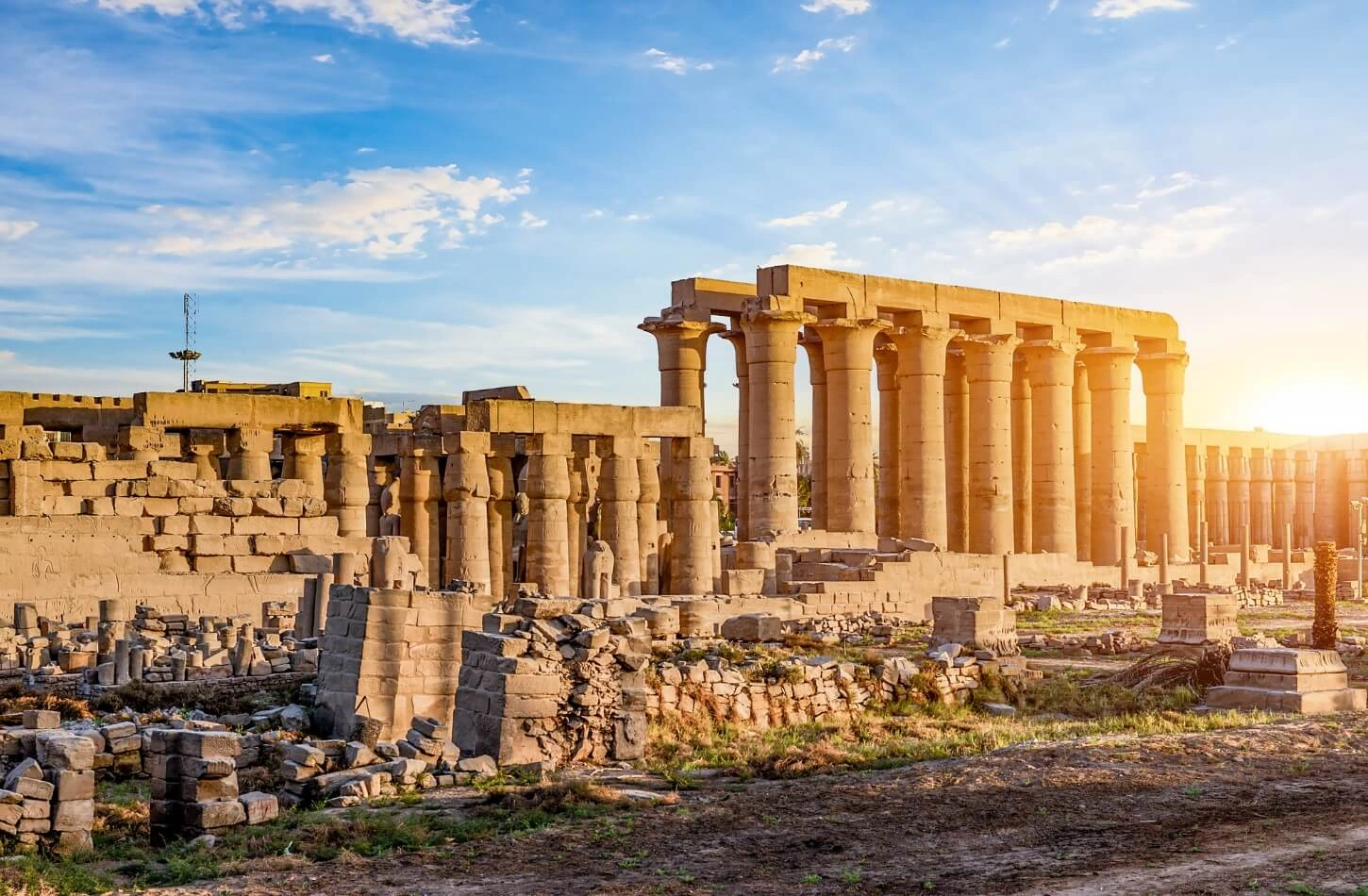
Fun Facts About Karnak Temple
Karnak Temple has a history of nearly 2,000 years. It’s a place that draws visitors from all over. Located in Luxor, Egypt, it shows the ancient Egyptians’ skill in building.
This temple is huge, covering over 100 hectares. It has temples, chapels, pylons, and more. These were built over many years.
Karnak Temple was used for worship for almost two thousand years. This has made it a mix of different styles and times. The Hypostyle Hall is famous for its 134 columns and stunning architecture.
At Karnak Temple, you’ll see many historic ruins and artifacts. These give us a peek into ancient Egypt’s culture and religion. The Sacred Lake was used for rituals, showing the temple’s role as a religious center.
Karnak Temple is a top tourist attraction in Egypt. Its history and beauty are amazing. It’s a place that will amaze anyone, whether you love history, architecture, or just exploring new places.
Visitor Information and Tips
To enjoy your visit to this amazing site, here are some key tips. Karnak Temple, a famous tourist attraction in Egypt, welcomes visitors daily. It opens from 6:00 a.m. to 5:30 p.m. from October to April. From May to September, it stays open until 6:30 p.m.
Plan your visit to avoid crowds and the hot sun. Arrive early in the morning or late in the afternoon for a better experience.
Entry Fees and Guided Tours
Before visiting the Luxor temple complex, check the entry fees. Decide if you want to explore alone or join a guided tour. Tours offer deep insights into Karnak Temple, making your visit more rewarding.
What to Bring
Wear comfy shoes and clothes for walking at this archaeological site. Bring sunscreen, a hat, and lots of water to stay cool.
Being prepared lets you fully enjoy Karnak Temple. Whether you love history or just want to see Egypt’s famous sites, this temple will impress you.
Review seasonal differences in Best Time for Nile Cruise in Egypt.
Photography in Karnak Temple
As you explore Karnak Temple, you’ll find many photo spots. The temple has big courtyards, detailed hieroglyphics, and tall pillars. It’s a dream place for photographers.
Capturing the Perfect Shot
The Great Hypostyle Hall is famous for its 134 columns. For a great photo, use a wide-angle lens during the golden hour. This is just before sunset, when the light makes the stones look amazing.
The Sacred Lake is also a favorite spot. It shows off the temple’s beauty in its reflections. For the best photos, go early in the morning or late in the afternoon. The light is soft, and there are fewer people.
Tips for Daytime Photography
Daytime sunlight can make shadows harsh. To fix this, use a polarizing filter. It cuts down glare and makes the temple’s carvings pop.
Nighttime Photography
Karnak Temple looks stunning at night, lit up. For night shots, use a tripod and set a longer exposure. This will show off the temple’s details against the dark sky.
Additional Tips
Remember to follow the temple’s rules and respect other visitors. Don’t block paths with tripods or big equipment. Always check with temple staff about any photo rules.
By using these tips, you can take amazing photos of Karnak Temple. You’ll have beautiful memories of this ancient Egyptian site.
Preservation Efforts at Karnak
Karnak Temple is a key archaeological site in Egypt. It faces many challenges that need constant care. The historic ruins can erode and get damaged by nature and tourists.
Keeping Karnak Temple safe is a big job. It deals with both natural wear and tear and the impact of visitors. Preservation efforts are in place to keep the temple standing for future visitors.
Visitors can help save Karnak Temple. By following the site’s rules, like staying on paths and not touching the old walls, you help a lot. This way, you can protect this historic site.
Also, helping local conservation efforts helps a lot. You can donate or join guided tours. Your help can protect this amazing archaeological site for a long time.
Prepare smarter with What to Pack for Nile Cruise Egypt checklist.
Conclusion: The Legacy of Karnak Temple
Exploring Karnak Temple in Egypt reveals the rich history of Egypt. This site is famous for its deep religious meaning. It draws visitors from all over the world.
Karnak Temple is a UNESCO World Heritage Site. It’s a key part of Egypt’s history and culture. Saving this site helps us learn about ancient Egypt and its lasting influence.
Visiting Karnak Temple is like stepping back in time. You see the grandeur of ancient Egypt’s beliefs and culture. Walking through the temple reminds us of the need to protect our cultural treasures for the future.