

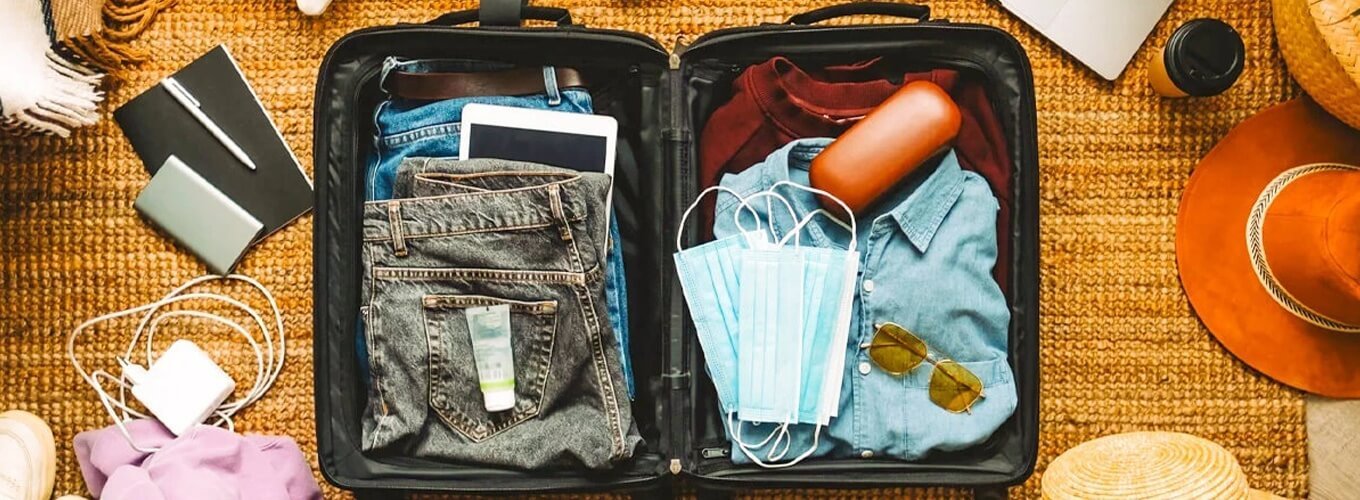
⚡ Quick Answer: What to Pack for a Nile Cruise in Egypt
For a Nile cruise in Egypt, pack lightweight, modest clothing (cotton or linen shirts, trousers, and a scarf for temple visits), sturdy walking shoes for uneven temple grounds, and a sun protection kit — broad-spectrum SPF 50+, wide-brim hat, and UV-blocking sunglasses. Egypt’s desert climate means hot days (up to 40°C in summer, 18–27°C in winter) and cool evenings, so a light layer is essential year-round.
- Clothing: Breathable day layers + one smart-casual dinner outfit + a scarf or shawl for temples and mosques
- Footwear: Cushioned walking shoes for ruins, supportive sandals for the ship, pool slides for the sun deck
- Sun kit: SPF 50+ sunscreen (reapply every 2–3 hours), wide-brim hat, polarized sunglasses, UPF shirt for midday excursions
- Health & safety: Insect repellent, oral rehydration salts, pain relievers, antihistamines, and any prescriptions in original packaging
- Documents: Passport valid for 6+ months, visa confirmation, travel insurance, printed reservation, and Egyptian Pounds (EGP) for tips
- Electronics: Universal adapter (Type C sockets on most Nile cruise ships), portable charger (10,000–20,000 mAh), spare camera batteries
Cultural note: Cover shoulders and knees at all temple sites. Many ships host a Jalabiya Night — buy a traditional jalabiya in Luxor or Aswan market for around 50–100 EGP for an authentic experience.
Most travelers overpack for Egypt and underpack for the details that actually matter — the right sandals for temple sand, a scarf for an unexpected mosque visit, or small Egyptian Pound notes when there’s no card machine at a market stall.
This guide is built around real Nile cruise itineraries. You’ll find season-by-season clothing lists, footwear that works on uneven stone, a compact health kit, and tipping amounts in actual EGP. At the bottom, there’s a one-page checklist you can take a screenshot of before you leave.
Key Takeaways:
- Nile ship cabins are small — pack one soft-sided suitcase plus a daypack, nothing more.
- Modest clothing at temples is practical, not optional; having a scarf accessible saves you every single day.
- Winter nights (December–February) drop to 8–12°C in Luxor — pack a real jacket, not just a cardigan.
- Carry at least LE 500–800 in small notes for tips and market shopping.
- Most ships have laundry service — you can pack for five days and rewash.
👉 Planning your trip soon? Discover the best time to take a Nile cruise in Egypt before you pack your bags.
What to Expect on a Typical Nile Cruise Day
Your day starts early. Most shore excursions leave by 7:30 AM to beat the worst of the midday heat, especially at open-air sites like Karnak and the Valley of the Kings. You’ll be back on board by noon, eat lunch in a cool dining room, then have a few quiet hours before the ship moves again.
Evenings are social — dinner runs from 7 PM onward, often followed by a show, a Nubian music performance, or the famous Jalabiya Night. The ship is air-conditioned throughout, which can feel surprisingly cool against a hot day outside. Bring a light layer you can grab quickly.
| Part of the day | Typical activity | Item you’ll reach for |
|---|---|---|
| Early morning | Shore excursion: temples, tombs | Daypack, walking shoes, sun hat, water bottle |
| Midday | Onboard lunch + rest | Flip-flops or sandals, a light change of clothes |
| Afternoon | Sailing, sun deck, pool | Swimwear, sunscreen, shades |
| Evening | Dinner + entertainment | Smart-casual top, scarf, or light blazer |
Packing by Season: Temperatures and What They Mean for Your Bag
Egypt’s climate along the Luxor–Aswan corridor is drier and more extreme than most travelers expect. The difference between a June trip and a January trip is significant enough that you essentially pack for two different destinations.
Summer (June–August)
Daytime temperatures regularly exceed 40°C (104°F). This is extreme heat. Stick to moisture-wicking fabrics — linen and lightweight synthetics beat cotton here because they dry faster when you sweat. Avoid dark colors. A neck gaiter soaked in cool water is more useful than a heavy hat at this time of year. Shore excursions are sometimes shortened or rescheduled to avoid peak sun hours.
Fall shoulder season (September–October)
Daytime: 28–34°C (82–93°F). Evenings: around 20°C (68°F). This is one of the most popular travel windows. Cotton and linen work well. The evenings are genuinely pleasant on deck — this is when a light shawl earns its space in your bag.
👉 Ready to experience the Nile? Explore the latest Nile Cruise Deals in Egypt and find the perfect ship for your trip.
Spring shoulder season (March–May)
Similar to fall, though March can bring khamaseen dust winds — the kind that turn the sky amber and coat everything in fine sand. A thin cotton scarf worn loosely over your face is practical, not dramatic.
Winter (November–February)
Days are warm — around 22–26°C (72–79°F) — but mornings and evenings are cold. By January, nights in Luxor can drop to 8°C (46°F) and the Nile breeze makes it feel colder on deck. Pack a proper fleece or a light down jacket. Many European travelers underestimate this and spend the evening shivering on the sundeck.
| Season | Day temp | Night temp | Must-add |
|---|---|---|---|
| Summer (Jun–Aug) | 38–44°C | 24–28°C | Moisture-wicking fabrics, neck gaiter, and extra water bottle |
| Fall (Sep–Oct) | 28–34°C | 18–22°C | Light shawl, cotton/linen layers |
| Spring (Mar–May) | 24–32°C | 15–20°C | Thin dust scarf, light rain layer |
| Winter (Nov–Feb) | 20–26°C | 8–14°C | Fleece or light down jacket, closed shoes |
Daytime Clothing: What Works on Deck and Ashore
The goal is outfits that require no thought when you’re boarding a shuttle at 7 AM. Build around a small number of pieces that mix well, dry fast, and look appropriate at a temple without looking like you tried too hard.
For both men and women: Light-colored, loose-fitting shirts in cotton or linen are the backbone of every daytime outfit. Neutral tones — sand, cream, olive, pale blue — hide dust from ancient sites and photograph well against Egypt’s stone and sky. Pack four or five tops and rotate.
For women: Maxi dresses and long skirts are genuinely practical here, not just modest. They keep you cool, are appropriate for temples without any extra layering, and compress well in a bag. Bring one scarf that can cover your shoulders and head, or double as a shawl, in a cold dining room — you’ll use it daily. Linen trousers work as well, especially for early mornings.
For men: Lightweight linen or cotton trousers are more versatile than shorts. Shorts are fine on the ship, but many temples and all mosques require covered knees. A pair of chinos covers both. Pack two or three collared shirts — they handle dinner as well as morning excursions with minimal fuss.
On the ship: You can wear what you like on deck — shorts, swimwear near the pool, whatever is comfortable. The ship is your relaxed space. Once you step off for a shore visit, the rules change: covered knees and shoulders as a baseline.
Read our complete guide to Nile cruise travel tips for beginners.
Evening Wear: Dinner and Themed Nights
Dinner on most Nile cruises is smart-casual. Think the nicer end of what you’d wear to a family restaurant — not a cocktail bar, not the beach. One or two slightly dressed-up pieces are all you need; you don’t require a full formal outfit.
Women: One or two maxi dresses that you haven’t worn during the day will carry you through every evening. A blouse paired with tailored trousers also works and takes up very little space. Swap your jewelry each night to vary the look.
Men: Chinos and a collared shirt cover dinner on any night. A lightweight blazer (linen is ideal) is worth packing if you tend to get cold in air-conditioned rooms, and it can double as a cover layer on cool morning excursions.
Jalabiya Night: Most ships host an evening when guests wear a traditional Egyptian jalabiya — a long, loose robe. Buy one in Luxor or Aswan souk rather than on the ship; the market versions are better quality, more authentic, and cheaper. In Aswan specifically, the Nubian market has beautiful embroidered options. This makes a good souvenir even after the cruise.
Captain’s dinner/gala night: Some cruise lines — particularly Mövenpick, Steigenberger, and Oberoi — hold a semi-formal captain’s dinner. A simple cocktail dress or a dress shirt with trousers handles this without needing to bring anything extra.
Footwear: Three Pairs are Exactly Right
More than three pairs is unnecessary weight. Fewer than three, and you’ll compromise comfort somewhere.
Pair 1: Walking shoes or sneakers with real traction: The Valley of the Kings, Karnak Temple, and Philae have uneven stone paths, sand over slippery surfaces, and in some cases, narrow tomb corridors where you’re stepping down irregular stairs. A flat, grippy sole is not optional. Break new shoes in before you arrive — blisters in 35°C heat are miserable. A good option is a well-worn trail sneaker or a solid walking shoe.
Pair 2: Supportive sandals: For daytime on the ship, casual shore strolls in Aswan town, and market browsing. Look for an adjustable strap and a sole with some grip — not flat flip-flops, which are slippery on wet boat decks.
Pair 3: Pool slides or simple flip-flops: Strictly for the pool deck and your cabin. Don’t wear them ashore or to dinner.
Tip: bring two or three pairs of breathable socks and a small blister kit (Compeed patches are the best you can get). Rotate your walking shoes daily so they can air out overnight.
Sun Protection on The Nile
The Egyptian sun at open-air temple sites is intense in a way that surprises people who think they know what the sun feels like. Pale limestone and sand reflect UV from below. You’re getting it from multiple directions at once.
The practical kit:
- Sunscreen SPF 50+ broad-spectrum, water-resistant. Apply before you leave the ship. Carry a travel-size in your daypack and reapply every two hours, or after any swimming. Neutrogena Ultra Sheer Dry-Touch and La Roche-Posay Anthelios are reliable choices available at pharmacies in Egypt if you run out.
- Wide-brim hat: not a baseball cap, which leaves your neck and ears exposed. A crushable fabric hat with a chin strap is ideal for deck days when the Nile breeze picks up.
- Polarized UV sunglasses: the afternoon glare off the river is significant. Cheap lenses that claim UV protection but don’t deliver will actually harm your eyes more than no glasses, since your pupils dilate behind dark lenses.
- UPF-rated long-sleeve shirt: useful for the long open-air walk into Abu Simbel, or for any afternoon excursion in summer. Lightweight UPF shirts from brands like Coolibar or Sun-Kitten (available on Amazon before you travel) work well.
- SPF lip balm: easily forgotten, almost always needed.
Health kit and Toiletries
What to pack:
- Any prescription medication in its original labeled containers, plus a copy of the prescription
- Basic first aid: adhesive bandages, antiseptic wipes, blister pads, pain relievers
- Anti-diarrheal tablets (loperamide/Imodium) — traveler’s stomach is common in Egypt, even with careful eating
- Rehydration sachets (ORS) — a hot day at Abu Simbel, followed by a stomach issue, can dehydrate you quickly
- Insect repellent: DEET 20–30% or Picaridin for evenings at the dock in Aswan and any felucca or garden-side stops. Mosquitoes are active at dusk near the Nile banks.
- Hand sanitizer and wet wipes — essential for market visits and dusty excursions where soap isn’t immediately available
- Lip balm and moisturizer — the dry desert air strips skin fast, especially in winter
- Sunscreen (see above)
Toiletries note: Most ships provide shampoo, conditioner, and body wash in cabins. Bring travel-size backups if you’re particular about specific products, but you don’t need to pack full bottles.
Laundry: Most 5-star and deluxe Nile cruise ships offer laundry service, usually for a fee per item. This means you can genuinely pack for 5 days and rewash midway through a 7- or 8-day cruise. Ask your cruise operator at the time of booking — this affects how much clothing you need to bring.
Documents, Visas, Money, and Tipping
Documents:
- Passport with at least six months’ validity beyond your return date
- Egypt visa (most nationalities purchase on arrival at Cairo or Luxor airports for USD 25; US, UK, EU passport holders are eligible) — verify your nationality’s current requirement before travel
- Travel insurance policy: print a copy and keep a digital copy in cloud storage. Ensure it covers medical evacuation — standard health insurance rarely does outside your home country.
- Printed copies of cruise booking confirmation, hotel reservations, and emergency contacts
Money:
- Egypt’s currency is the Egyptian Pound (EGP). Exchange rate as of early 2026: approximately LE 50–52 per USD (check before travel as rates shift).
- Bring USD or EUR cash to exchange on arrival — rates at airport banks and hotel desks are reasonable. ATMs in Luxor and Aswan are reliable but sometimes run low on smaller denominations.
- Notify your bank before traveling to prevent your card from being blocked.
Tipping (baksheesh): Tipping is part of Egyptian daily life and an expected part of the service economy. Travelers who don’t tip create awkward situations and underpay workers in a low-wage sector.
| Service | Suggested amount (EGP) |
|---|---|
| Cruise ship cabin steward (per day) | LE 50–100 |
| Cruise ship waiter (per day) | LE 30–50 |
| Shore excursion guide (per person/day) | LE 100–150 |
| Driver (per day) | LE 50–75 |
| Temple guard who opens a restricted door | LE 20–30 |
| Luggage porter | LE 20–30 per bag |
| Toilet attendant | LE 5–10 |
Carry a supply of LE 10, 20, and 50 notes in a separate pocket. Notes in good condition are preferred — worn or torn bills are sometimes refused.
Electronics and connectivity
What to bring:
- A camera with spare batteries and at least two memory cards. Most photographers find their batteries drain faster than expected in heat — bring one more than you think you need.
- Universal travel adapter: Egypt uses Type C and Type F European-style sockets (220V). Most modern devices are dual-voltage (check the label — 100–240V means you just need a plug adapter, not a voltage converter). Cabins typically have one or two outlets and a USB port.
- Portable power bank (10,000–20,000 mAh): long shore excursions can last 4–6 hours and drain a phone navigating, photographing, and translating.
- Short charging cables, clearly labeled so you don’t lose them in a tight cabin.
Connectivity:
- Ship Wi-Fi is available on most modern Nile cruises but is typically slow and inconsistent.
- An Egyptian SIM or eSIM gives you reliable 4G in Luxor, Aswan, and most temple sites. Egyptian networks (Vodafone Egypt, Orange Egypt, Etisalat Misr) offer tourist data packages at airport stores. An eSIM from providers like Airalo works in Egypt and can be set up before you leave home.
- Download offline maps (Google Maps or Maps.me) for Luxor and Aswan before you board the ship — useful during shore time when data is spotty.
- Back up photos each evening over the ship’s Wi-Fi or via a local backup to a second memory card.
What NOT to pack for a Nile cruise
This is the section most guides skip. Every item below is commonly brought and consistently regretted.
- High heels or platform shoes: temple paths, felucca boats, and ship gangplanks make heels actively dangerous
- Heavy jeans: they take forever to dry, absorb heat, and offer no advantage over linen trousers
- Full formal wear: unless you’re on an ultra-luxury vessel with a strict formal night, a jacket and trousers are more than sufficient
- More than two evening outfits: swap accessories and jewelry instead; this saves significant space
- Large, hard-shell suitcases: Nile ship cabins are compact. A 65L soft-sided rolling bag plus a daypack is the right configuration for a 7-day cruise
- Expensive jewelry: leave it at home; it attracts attention in markets, and the risk isn’t worth it
- Hair dryers: all ships provide them; confirm with your specific operator
- Multiple bottles of full-size toiletries: ship toiletries are provided and decent; pack only what’s truly specific to you
- Anything you’d be devastated to lose: markets are wonderful, and bags do occasionally go missing
Luggage: what size and type to bring
Nile cruise cabins are typically 16–22 square meters on standard and deluxe ships. Storage is limited: one small wardrobe, under-bed space, and a narrow shelf. Bring one soft-sided rolling suitcase (60–70 L is ideal) and one daypack (20–25 L).
Hard-shell large suitcases are a daily inconvenience in small cabins — they take up floor space and are hard to maneuver through narrow ship corridors.
For Luxury Nile Cruises like Oberoi Zahra or Sanctuary Sun Boat, cabins are larger, and storage is better — a larger bag is manageable but still not necessary for a 7-day trip.
For Dahabiya Sailing Boats, cabins are intimate and sometimes boutique-small. On a Dahabiya, pack lighter than you think necessary — a 40–50L bag is a better fit, and the slower pace means you’ll wear more comfortably.
Packing for Specific Excursions
Valley of the Kings (Luxor West Bank): Entry covers three tombs; additional tombs, such as Tutankhamun’s, cost extra. Bring your daypack, water, snacks (none sold inside), a small flashlight for reading hieroglyphs in low-lit chambers, and your camera (no tripod, no flash inside). The site has minimal shade — hat and sunscreen are essential.
Karnak and Luxor Temples: Extensive walking on flat stone paths. These are manageable in supportive sandals if your walking shoes are tired. Evening sound-and-light shows at Karnak require a light layer — they run after sunset, and the stone quickly radiates cold.
Philae Temple (near Aswan): Reached by motorboat across Nasser Lake. There’s spray on the crossing — don’t hold your camera out over the water. The temple itself is beautifully maintained and relatively shaded.
Abu Simbel: If you’re flying down from Aswan (a 45-minute flight), you’ll need a small carry-on with your day kit — your main luggage stays on the ship. Pack your daypack as a complete unit for these excursions: water, sunscreen, hat, camera, snacks, and jacket for the flight.
Aswan souk and Luxor market: Bring a secure crossbody bag with only what you need for that morning — small cash in EGP, a card, your phone, and a water bottle. Leave your passport and bulk cash in the ship’s safe.
Swimwear and Pool Time
Every standard Nile cruise ship has a pool on the sun deck, typically small but sufficient for cooling off. Pack one or two swimsuits and a quick-dry cover-up. Swimwear is appropriate at the pool only — not on shore, not at restaurants.
On Ultra-Deluxe Nile Cruises and Luxury Cruises, some ships have jacuzzis and larger pool areas. The Nile itself is not recommended for swimming due to strong currents and the risk of bilharzia in some areas — stick to the ship’s pool.

Cultural Dressing: Temples, Mosques, and Local Life
Egypt is a majority-Muslim country, and local dress norms, while not enforced for tourists, are worth respecting — both for your own comfort in crowds and as basic courtesy to people whose daily spaces you’re visiting.
The practical rule: covered shoulders and knees for any temple, mosque, or public market. This isn’t complicated. A lightweight scarf or a long-sleeved button-up shirt tossed into your daypack means you’re always prepared without having to plan ahead.
At mosques specifically (Abu el-Haggag Mosque above Luxor Temple, or any mosque you visit in Aswan), women must cover their hair, and shoes must be removed. Keep a small bag for your shoes and carry your scarf where you can reach it quickly.
At temples and archaeological sites, enforcement is less strict, but modest dress will significantly reduce unwanted attention and persistent salespeople targeting obviously foreign-looking visitors.
Complete Nile Cruise Packing Checklist
Use this to check off the night before departure.
Clothing
- 4–5 breathable, light-colored tops (cotton/linen)
- 2 long-sleeve UPF shirts or thin overshirts
- 2–3 pairs lightweight trousers (linen or cotton)
- 1–2 maxi dresses or long skirts (women)
- 1–2 pairs of shorts (for ship only)
- 1–2 smart-casual evening tops or dresses
- 1 light blazer or linen jacket (for men: dinner; for women: cool mornings)
- 1 real jacket or fleece (winter travel: November–February)
- 2 swimsuits + quick-dry cover-up
- 1 jalabiya (or plan to buy in Luxor/Aswan souk — recommended)
- 3–4 pairs of lightweight socks
- Underwear for 5–6 days (laundry services mean you don’t need more)
Footwear
- Walking shoes or trail sneakers with grip
- Supportive sandals with an adjustable strap
- Pool slides or simple flip-flops
Accessories
- 2 versatile scarves (sun protection + modesty + warmth)
- Wide-brim crushable hat with chin cord
- Polarized UV sunglasses
- Compact crossbody bag (for shore excursions)
- Reusable water bottle (insulated is better in summer)
Sun + Health
- SPF 50+ broad-spectrum sunscreen (full bottle + travel-size for daypack)
- SPF lip balm
- Insect repellent (DEET 20–30% or Picaridin)
- Prescription medications in original containers + copy of prescription
- Pain relievers (ibuprofen/paracetamol)
- Anti-diarrheal tablets (Imodium)
- Oral rehydration sachets (ORS)
- Adhesive bandages + blister pads (Compeed)
- Antiseptic wipes
- Hand sanitizer
- Wet wipes
- Moisturizer + lip balm for dry desert air
- After-sun lotion (optional but useful in summer)
Documents + Money
- Passport (6+ months validity)
- Visa confirmation or cash for on-arrival visa (USD 25 per person for most nationalities)
- Travel insurance documents (print + digital)
- Cruise booking confirmation (print + digital)
- Hotel/transfer confirmations
- LE 500–800 in small notes (LE 10, 20, 50 denominations)
- Credit/debit card (bank notified of travel)
- Emergency contact list (printed)
- Slim document organizer or travel wallet
Electronics + Connectivity
- Camera + spare batteries + memory cards (min. 2)
- Smartphone
- Universal travel adapter (Type C/F, 220V)
- Portable power bank (10,000–20,000 mAh)
- Charging cables (USB-C, Lightning — whatever your devices use)
- Egyptian SIM or eSIM (can activate before travel)
- Offline maps downloaded (Luxor + Aswan)
Daypack Essentials (for every shore excursion)
- Water bottle
- Sunscreen (travel size)
- Hat
- Sunglasses
- Wet wipes/hand sanitizer
- Small first aid pouch
- Small amount of EGP cash
- Camera
- Entry tickets / booking confirmation on phone
Extras Worth Bringing
- Blister repair kit (Compeed patches)
- Small flashlight or phone torch (for low-lit tombs)
- Collapsible tote bag (for souvenir shopping in markets)
- Travel journal or notebook
- Earplugs (some docks are noisy at night)
- Shoe bag (for mosque visits where shoes must be removed)
Frequently Asked Questions
How much luggage can I bring on a Nile cruise?
There’s no strict weight limit set by cruise operators, but cabin storage defines your practical limit. One soft-sided rolling suitcase (60–70L) plus a daypack is the right configuration. Overpacking creates daily inconvenience in a compact cabin — you’ll be living around your luggage. Check with your specific ship before travel.
Can you do laundry on a Nile cruise?
Yes. Most 5-star and deluxe Nile cruise ships offer laundry service, usually priced per item, with items returned within 24 hours. This means a 7-day cruise requires only 4–5 days of clothing if you plan to rewash midway. Confirm with your operator at booking.
What is Jalabiya Night on a Nile cruise?
Almost every Nile cruise holds one evening where guests are invited to wear a traditional Egyptian jalabiya — a long, loose-fitting robe. It’s informal and fun. Buy one in Luxor or Aswan souk before the night (better quality and lower price than on-ship options); in Aswan, the Nubian market has embroidered versions that make excellent souvenirs.
What should I wear to temples and mosques in Egypt?
At archaeological temples (Karnak, Philae, Abu Simbel, Valley of the Kings), covered knees and shoulders are the respectful baseline — enforcement varies, but modest dress reduces hassle. At mosques, both men and women must cover arms and legs; women must also cover their hair. Remove shoes before entering any mosque. Carry a scarf in your daypack so you’re always prepared.
How much cash should I bring for tips and shopping?
Plan for LE 100–200 per day in tip money across guides, waiters, and cabin staff. For shopping — Aswan souk, Luxor market, papyrus galleries — budget separately based on your interest. Bring at least LE 800–1,000 in small notes total, supplemented by ATM withdrawals in Luxor or Aswan. Aswan ATMs in the city center are reliable.
What NOT to pack for a Nile cruise?
High heels, heavy jeans, large hard-shell suitcases, expensive jewelry, multiple full-size toiletries, and more than two evening outfits. The ship provides hair dryers. Markets are perfect for last-minute souvenirs — leave room in your bag rather than filling it before you arrive.
What’s different about packing for a Dahabiya vs. a standard Nile cruise?
Dahabiyas are traditional wooden sailing boats with intimate boutique cabins. Storage is more limited than on motor cruises. Pack lighter — a 40–50L bag instead of 65–70L — and embrace the slower pace. The itinerary is more flexible, which sometimes means spontaneous felucca stops or market visits, where a compact bag is genuinely easier to carry.
Is a Nile cruise suitable for winter travel?
Absolutely — winter (November–February) is actually one of the best times to cruise. Temperatures are comfortable for walking (20–26°C in the day), the light is beautiful, and the crowds are smaller. The key adjustment: pack a real fleece or light down jacket for evenings, and plan for cool (occasionally cold) mornings. Closed shoes are more comfortable than sandals from December onward.
Related Articles:
