

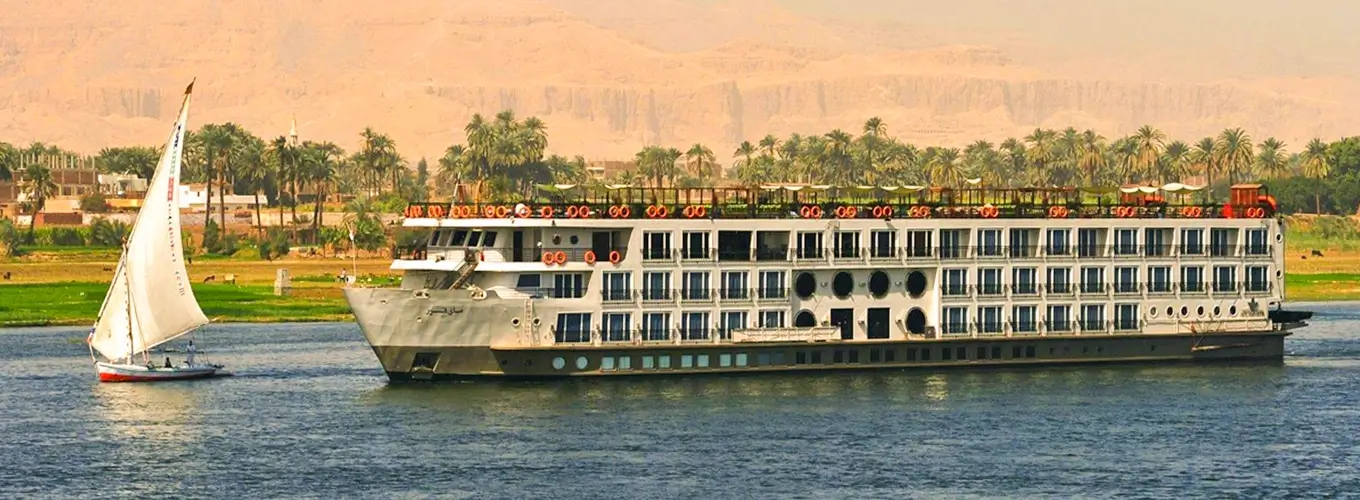
You may feel a tug of nostalgia when you think about drifting past sunlit temples. Maybe you picture a quiet deck with wind in your hair, or a lively evening with music and a full menu. Either memory matters because it shapes the travel choice you make next.
This guide from Nile Cruise Offers puts clear expectations in your hands. It explains how dahabiyas—traditional, wind-powered vessels that accommodate 10–20 guests—offer intimate access to hidden temples and small villages. It contrasts with modern ships carrying 80–150+ guests, with pools, spas, and nightly entertainment on the Luxor–Aswan route.
You’ll find honest details on typical trip lengths (3–7 nights), best season (October–April), rough price ranges per person per night, and why licensed operators and safety rules matter. By the end of this short intro, you’ll feel ready to match your budget, your pace, and your sense of wonder to the right river journey.
Discover Egypt Nile Cruises sailing between Luxor and Aswan.
Key Takeaways
- One clear comparison to help your choice between intimate sailing and bigger‑scale amenities.
- Dahabiyas offer close-shore access; modern ships provide facilities and entertainment.
- Typical routes run between Luxor and Aswan for 3–7 nights.
- The best season is October–April; summers can be extremely hot.
- Price ranges vary by level: luxury, standard, and dahabiya fares.
- Safety and licensed operators matter more than just star ratings.
Your Nile choices at a glance: how you’ll travel, what’s included, and what you’ll experience
Deciding how to travel the river shapes everything from pacing to the views you’ll wake up to. Nile Cruise Offers lays out the essentials so you can choose fast and with confidence.
Most packages include airport or rail transfers, full-board meals, and guided shore excursions led by Egyptologists. Onboard amenities range from sun decks and bars to pools, spas, and nightly entertainment on bigger vessels.
- You’ll see core inclusions up front—transfers, guided temple visits, and meals—so you know what your trip covers.
- Compare how you’ll travel: capacity, deck layouts, balcony types, and how many fellow travelers share public spaces.
- Preview sample itineraries for 3–5 night trips and learn how longer routes add more sites and relaxed time ashore.
| Core inclusion | Typical capacity | Balcony/View |
| Transfers, meals, guided tours | 10–20 or 80–150+ | Open‑deck dining; French balconies; step‑out on higher tiers |
| Onboard amenities & service | Intimate crew ratios or multiple service teams | Private outlooks or shared dock views in peak season |
Note family pricing and peak‑period surcharges—holidays can add 20–30%—and read recent reviews and refit notes for the clearest picture. After this snapshot you’ll know the way you’ll move, what sites you’ll see, and what’s covered by your booking.
Learn the Best Time for Nile Cruise in Egypt before booking.
The small-boat option: dahabiya Nile cruise for intimacy, privacy, and quiet sailing
For travelers who value calm and connection, the classic dahabiya offers a different pace and a private feel. You’ll sail with just 10–20 guests in about ten cozy cabins and a suite or two, so the vibe stays personal and relaxed.
Power comes mainly from wind, which means quieter movement and more moments to talk on deck. An onboard chef prepares fresh meals, often served outside during golden hour. There are no pools or gyms—intentional simplicity that favors views over facilities.
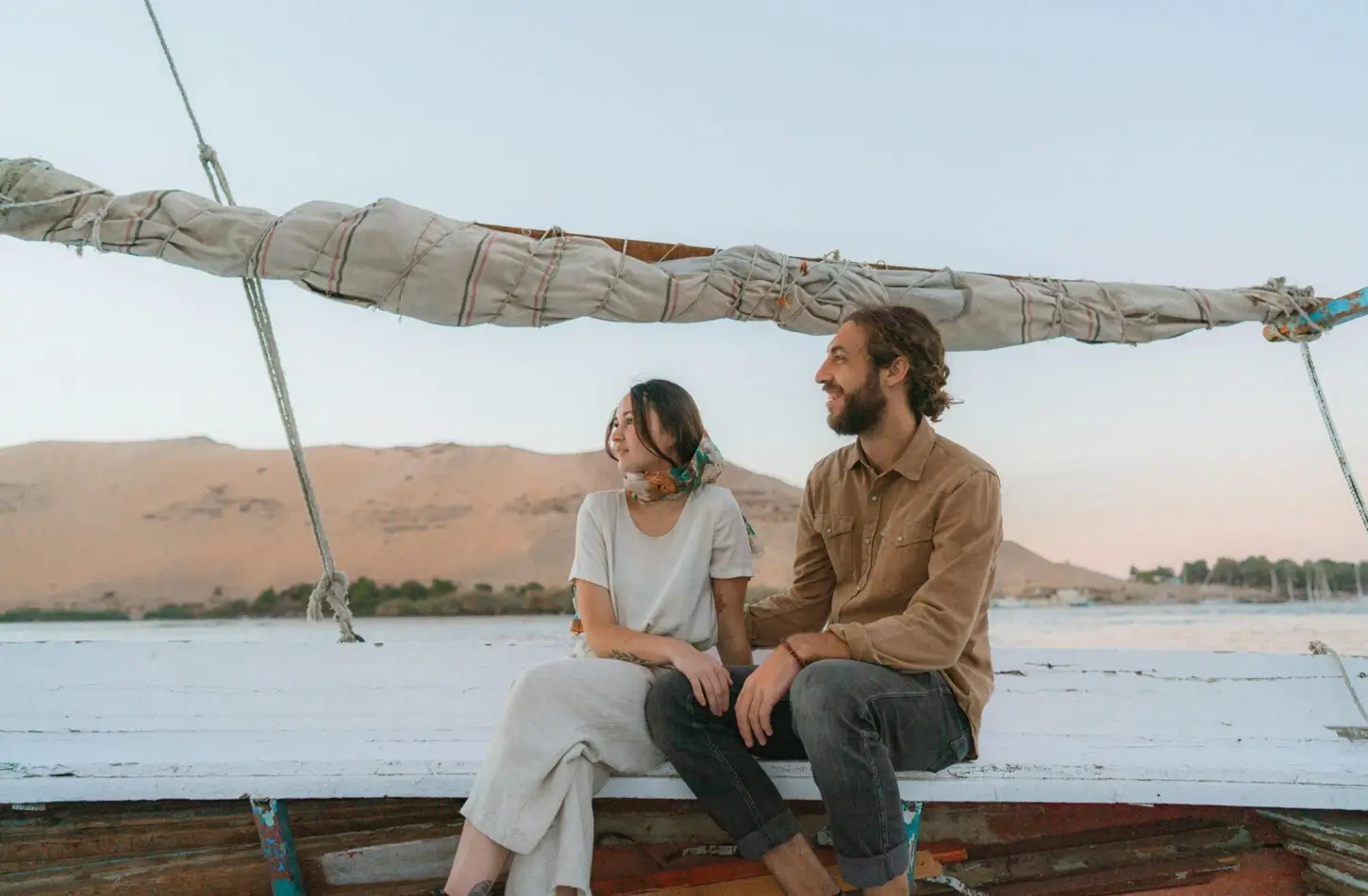
- You can reach petite docks and riverside villages that bigger vessels cannot, opening chances to meet locals and visit lesser-known sites.
- Classic Luxor–Aswan routes run three to six days and include highlights like Edfu and Kom Ombo alongside Luxor and Aswan.
- A tight‑knit crew learns your habits fast, giving attentive service and preserving your privacy on shore and on board.
| Typical capacity | Trip length | Onboard style |
| 10–20 guests | 3–6 days | Simple, deck‑forward living |
Get organized with What to Pack for Nile Cruise Egypt advice.
The large-ship option: modern Nile cruise ships with comfort, entertainment, and space
If you prefer resort-style comfort between temple visits, modern vessels deliver a hotel-like rhythm on the river. These cruise ships commonly carry 80–150+ guests across multiple decks and feel like floating hotels.
You’ll find sundecks with pools, spas, and small gyms. Lounges and varied dining options range from casual buffets to fine‑dining rooms and specialty restaurants. French balconies are common, while top luxury suites can include step‑out balconies, floor‑to‑ceiling windows, and upgraded finishes.
- You’ll have room to spread out with multiple lounges and a broad sun deck for quiet corners.
- Your dining choices cover buffet spreads and à la carte menus, and some ships offer curated wine lists.
- Onboard entertainment adds variety: live music, cultural shows, and cooking demonstrations keep evenings lively.
Brands like Sonesta St. George, Oberoi Zahra, Sanctuary Sun Boat IV, and Historia Boutique show how nile cruise ships blend boutique touches with resort amenities. Operations run to a schedule, so your time ashore stays organized and dependable.
| Feature | Typical benefit | Who it suits |
| Pools & Spa | Resort-style relaxation between tours | Families, travelers seeking comfort |
| Multiple dining venues | Choice of casual or upscale meals | Food-focused travelers |
| Structured schedule | Smooth logistics and reliable transfers | First-time visitors, groups |
Learn crew gratuity details in Tipping on Nile Cruise article.
Small boat Nile cruise vs large ship: side‑by‑side on experience and atmosphere
The feel onboard shapes your trip more than you might expect. Quiet decks invite easy conversation and calm time, while busier top decks give you many places to be and more activities.
Peak season can put multiple ships side‑by‑side, sometimes limiting room views. Dahabiyas keep fewer guests on deck and offer steady breezes and unhurried sailing. Larger vessels deliver multiple venues, pools, and scheduled evenings, but public areas feel busier.
- You’ll sense scale immediately — intimate boats foster quick friendships; bigger ships feel lively and social.
- Crowds rise and fall: intimate groups mean fewer people ashore; bigger cruises use timed dining and shows to manage flow.
- Expect view differences in peak months when docks cluster; privacy varies across options.
- Decide which experiences matter: relaxed chats and flexible pauses or multi‑venue nights with live music.
| Atmosphere | Crowds | Views |
| Calm, personal | Low, steady | Open deck outlooks |
| Resort‑style, active | Higher, scheduled | Top‑deck panoramas (can be blocked in peak) |
| Flexible pace | Organized flow | Varies by dock and season |
Nile Cruise Offers helps you match the onboard vibe to your way experience, so you pick the balance of scale and serenity that fits your goals on the river.
Clarify pricing with What Is Included in Nile Cruise explanation.
Amenities, dining, and entertainment: how comfort compares on the river
What you find on deck and in the dining room often decides how restful your trip will feel. That choice affects comfort, evening plans, and how you recharge between sites.
Dining tends to split two ways: intimate deckside meals prepared fresh and served outdoors, or multiple venues from buffet lines to fine dining. Cabins vary, too—from wood‑accented rooms with simple outlooks to luxury suites with floor‑to‑ceiling windows or step‑out balconies. Meals and wine lists can change your nightly budget; imported bottles usually cost more.
Entertainment ranges from quiet star‑gazing to lively shows and lounge music. If pool time, a spa, or a gym matters, factor those into your pick. Decide whether you want broad social options or a slower rhythm with more privacy.
- French balconies are common; true step‑out options appear mainly on high‑end vessels.
- Service style: tight crews personalize fast; larger teams deliver consistent polish.
- Think how you relax—poolside nap, deckside book, or live evening performances—and choose accordingly.
| Feature | Typical offer | Best for |
| Dining & meals | Deckside service or multiple restaurants | Food-focused travelers |
| Cabins & views | Cozy rooms to luxury suites | Privacy or panoramic outlooks |
| Entertainment | Quiet evenings or live shows | Relaxation vs social nights |
Understand traveler perspectives in Should I Take a Nile Cruise?
Routes, itineraries, and access to sites: choosing your perfect Luxor-Aswan journey
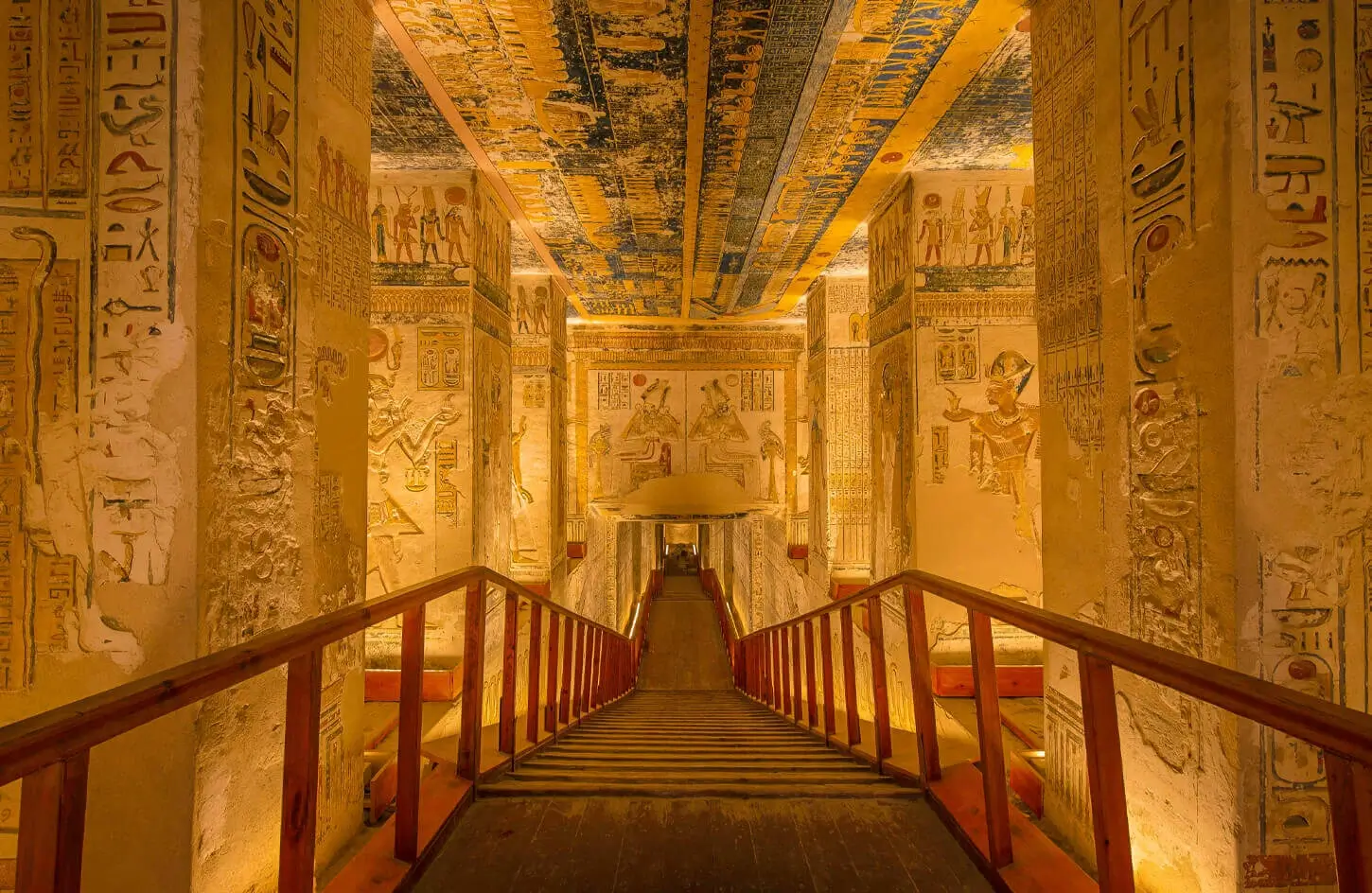
Pick an itinerary that balances headline temples with time for slow, unexpected moments ashore. Popular durations run from 3 to 7 days on the Luxor Aswan route, so decide how many mornings you want for sunrise visits or market strolls.
Core stops appear on most plans: Karnak, Luxor Temple, the Valley of the Kings, Edfu, and Kom Ombo. Some itineraries add Abu Simbel from Aswan by road or air if you want Ramses II’s masterpiece on your list.
- Dahabiyas can slip into village moorings and lesser temples for a quieter visit; larger vessels keep to headline sites with tight schedules.
- Choose an itinerary that leaves room for a sunrise balloon or an unhurried afternoon in a local bazaar.
- River levels shift seasonally (high June–Sept; low Oct–May) — build flexibility into your plans.
| Route element | Typical days | Access & benefit |
| Classic Luxor‑Aswan | 3–7 days | Covers Karnak, Luxor Temple, Valley of the Kings; efficient timing |
| Edfu & Kom Ombo | Included mid‑route | Well‑served stops; strong photo opportunities at temples |
| Abu Simbel add‑on | Road or flight day | An extended visit to Ramses II; requires extra travel time |
| Quiet moorings | Flexible days | Access to village life and hidden ruins for a slower pace |
Nile cruise options let you match rhythm to interest. Pick the pace that fits your travel style, then lock in an itinerary that brings each must‑see site to life.
Explore security measures in Is Egypt Safe for Nile River Cruises?
Costs, value, and traveler fit: which option matches your budget and style
Budget choices shape the kind of days and memories you bring home from the river. Start by comparing typical rates per person per night: luxury ships range roughly $500–$1,200, standard cruise ships run $150–$400, and dahabiyas sit near $250–$500. These numbers change with season, cabin type, and how far ahead you book.
Factor in holiday surcharges of 20–30% and how inclusions affect value. Meals, guided tours, and transfers often appear in advertised prices; extras like specialty dining, private Egyptologists, or Abu Simbel add‑ons usually cost more.
- Child pricing: infants often travel free; ages 3–11 commonly get 50% off; 12+ pay adult rates.
- Accessibility: travelers with mobility limits frequently prefer larger cruise ships for ramps and elevators.
- Couples and small groups seeking authenticity frequently pick dahabiyas for intimacy and access to quiet moorings.
| Category | Typical per person/night | Best fit |
| Luxury | $500–$1,200 | Travelers wanting high-end suites and extras |
| Standard | $150–$400 | Families and budget-minded travelers |
| Dahabiya | $250–$500 | Couples and groups seeking intimate, authentic time |
Think about opportunity cost: a modest cabin can free funds for a hot-air balloon, a private guide, or an extra day ashore. Decide whether you value onboard amenities or unique onshore experiences, then book through Nile Cruise Offers for clear pricing and tailored advice.
Conclusion
Think about the moments you want to keep—quiet dawns by the temples or lively nights on deck—and let that decide your journey. Both types of Nile cruise reach the great temples along the Luxor–Aswan corridor, so your choice shapes the feel more than the sites you see.
.
Want calm sailing with hidden moorings or a platform with pools and scheduled entertainment? Licensed ships and boats meet safety standards, and travelers find clear options for every itinerary and pace. Keep October–April in mind for the best touring days.
Pick the way that fits you, lock your dates, and book confidently with Nile Cruise Offers. Your experience Egypt will be part of a longer adventure, and the right itinerary, cabin, and sailing style will make it one you remember for years.
FAQ
Q: What are the main differences between a dahabiya and a modern Nile cruise ship?
A: A dahabiya offers a quieter, more intimate experience with fewer cabins, private decks, and slower sailing that highlights scenery and privacy. Modern cruise ships provide larger cabins, more dining options, live entertainment, and on-board facilities like pools and fitness areas. Your choice depends on whether you prioritize calm, personalized service and close-to-shore visits or more amenities, social spaces, and structured entertainment.
Q: How long are typical itineraries between Luxor and Aswan, and can both options include Abu Simbel?
A: Most itineraries run three to seven days. Many river journeys include stops at Luxor, Kom Ombo, and Aswan; Abu Simbel is usually a separate day trip by bus or plane from Aswan and can be added to either option depending on your package and timing. Confirm whether transfers and entrance fees are included when you book.
Q: Which option is better for avoiding crowds at temples and sites?
A: Smaller vessels disembark fewer passengers at once, making it easier to enjoy quieter visits to temples and archaeological sites. Larger ships may bring more guests at peak times, but guided shore excursions often stagger groups to reduce crowding. If solitude is key, choose a more intimate sailing or private excursion.
Q: How do cabin sizes and privacy compare between the two choices?
A: Intimate craft typically provides fewer, often larger-deck cabins with direct access to outdoor lounging and more privacy. Bigger vessels offer a wider range of cabin categories, including suites, but corridors and shared spaces mean less seclusion. Review deck plans and cabin photos to pick what fits your comfort needs.
Q: Are meals and drinks included, and does quality differ?
A: Many packages include full-board meals and some complimentary drinks. Smaller vessels often emphasize fresh, locally inspired dining with personalized service. Larger ships tend to have buffet stations, specialty restaurants, and wider beverage selections. Check inclusions—especially for alcoholic drinks and specialty dining—to understand real value.