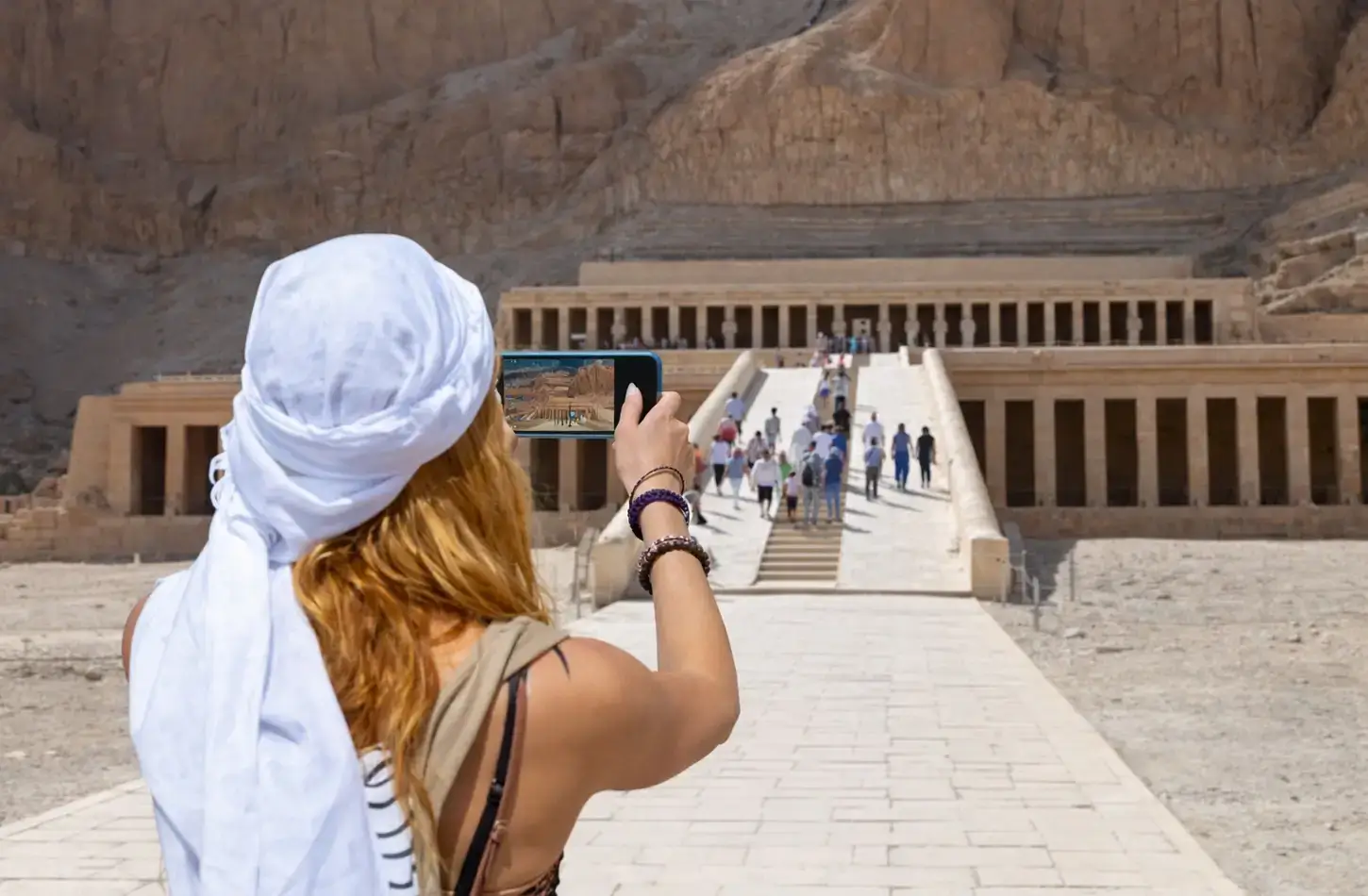
The Temple of Hatshepsut — ancient name Djeser-Djeseru, 'Holy of Holies' — is a terraced mortuary temple built around 1473 BCE on Luxor's West Bank at Deir el-Bahari. Designed by the architect Senenmut for Pharaoh Hatshepsut, one of ancient Egypt's most successful rulers, it rises in three colonnaded levels against 300-metre limestone cliffs. Entrance is...Read More
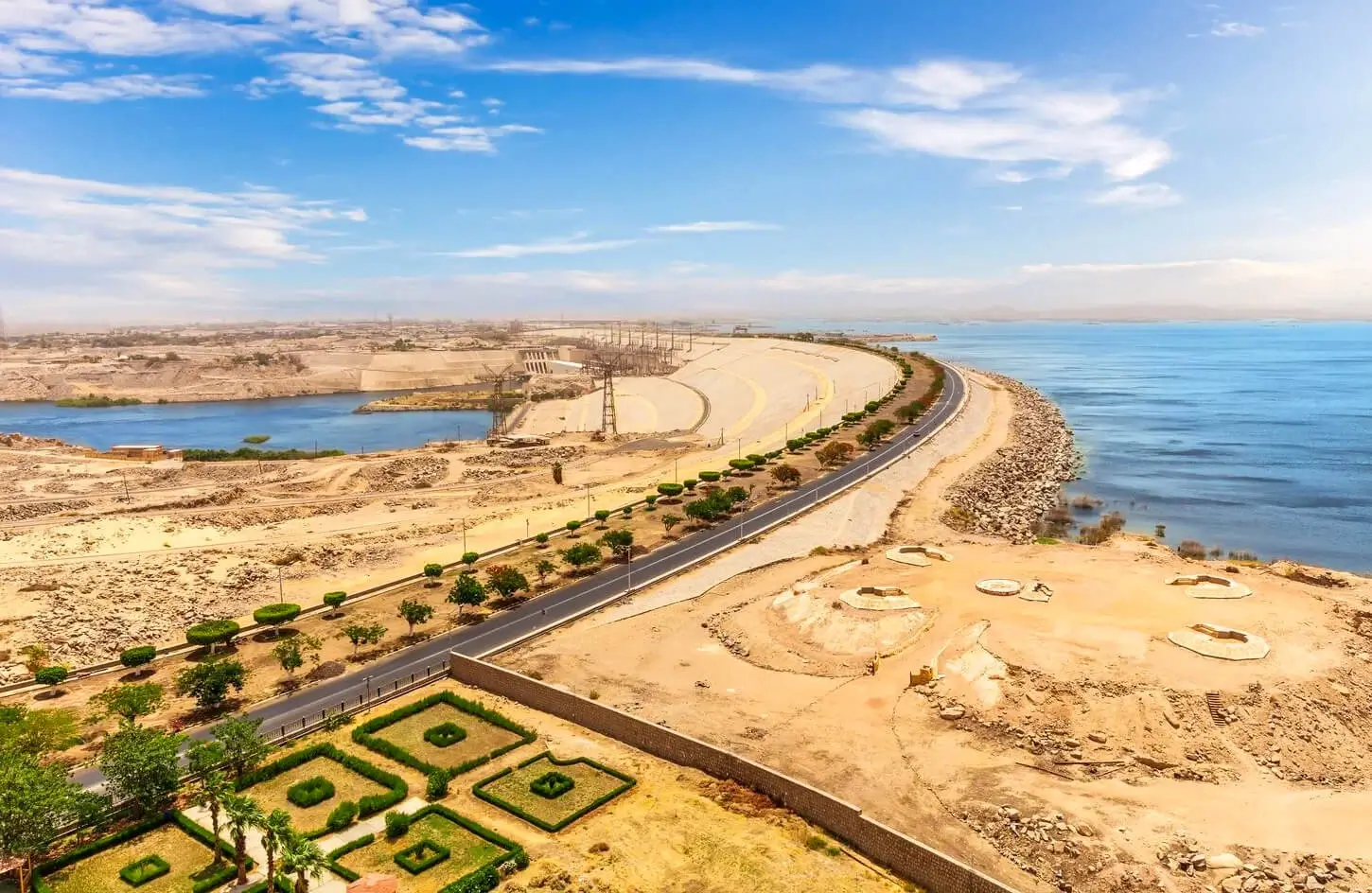
The Aswan High Dam is a massive rock-fill dam on the Nile River in southern Egypt, completed in 1970. Built to control Nile flooding, generate hydroelectric power (2,100 MW), and secure year-round irrigation, it created Lake Nasser — one of the world's largest artificial lakes. Located 13 km south of Aswan city, it is open...Read More
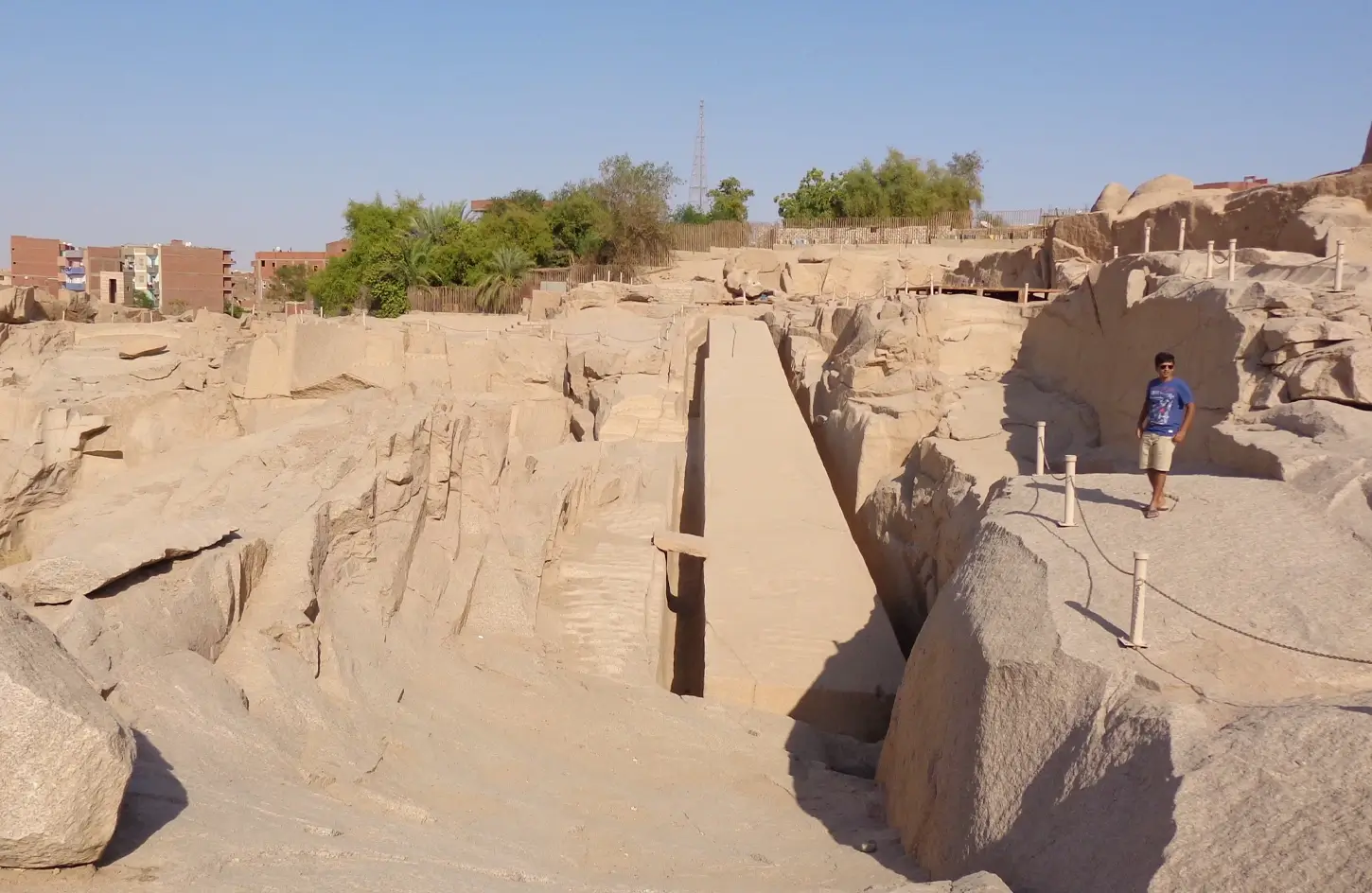
The Unfinished Obelisk at Aswan is believed to be the biggest ever ancient Egyptian obelisk that never left its place of creation due to having a crack in the rock of about 42 meters long and weighing about 1,200 tons. Had it been successfully created, it would be almost twice the height of any other...Read More
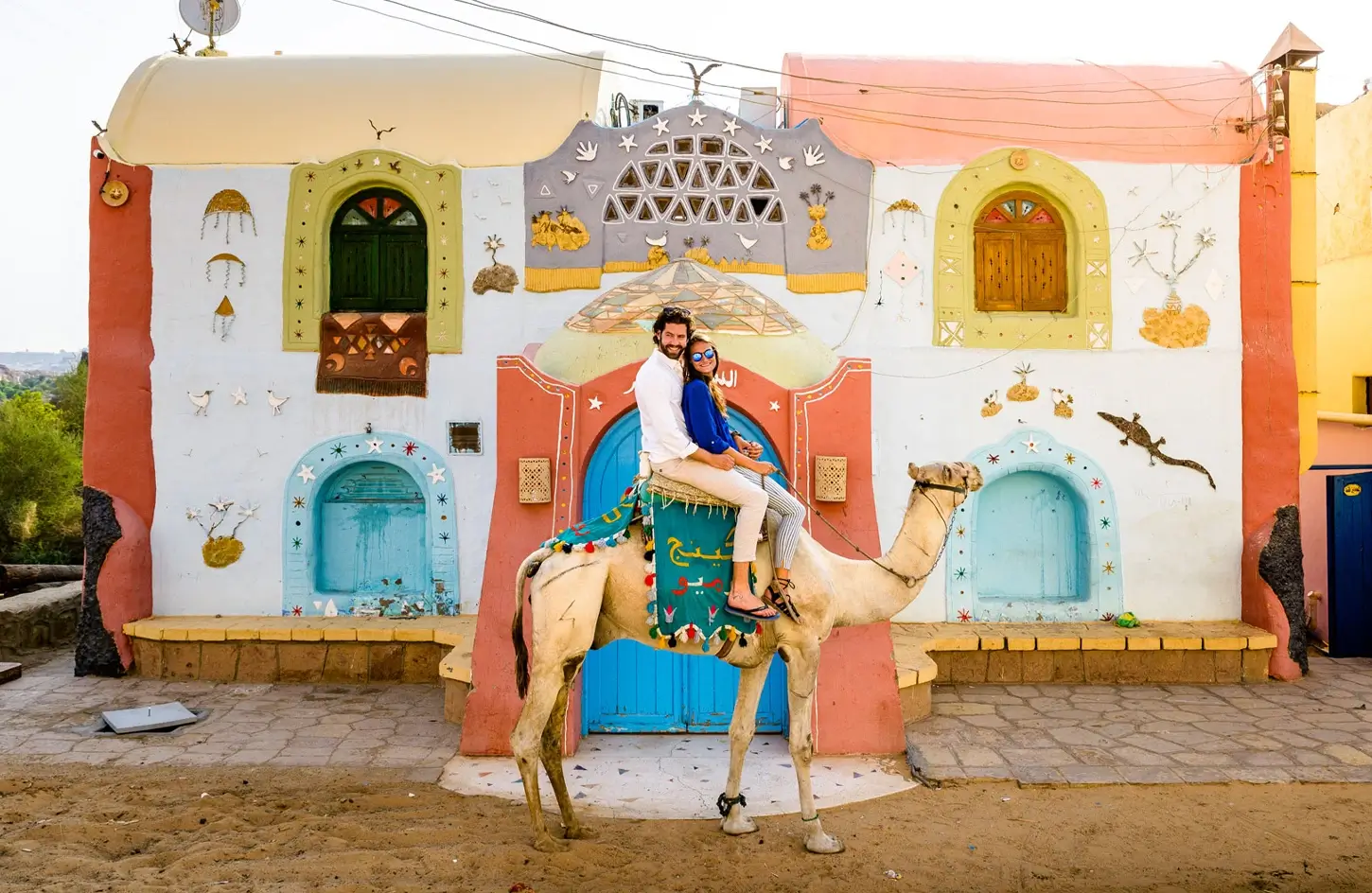
The Nubian Village refers to a cluster of colourful communities on the west bank of the Nile near Aswan — most commonly Gharb Soheil (West Soheil), along with the villages of Siou and Koti. Home to Egypt's Nubian people, these villages are known for vividly painted mudbrick houses, traditional hospitality, and a culture distinct from...Read More
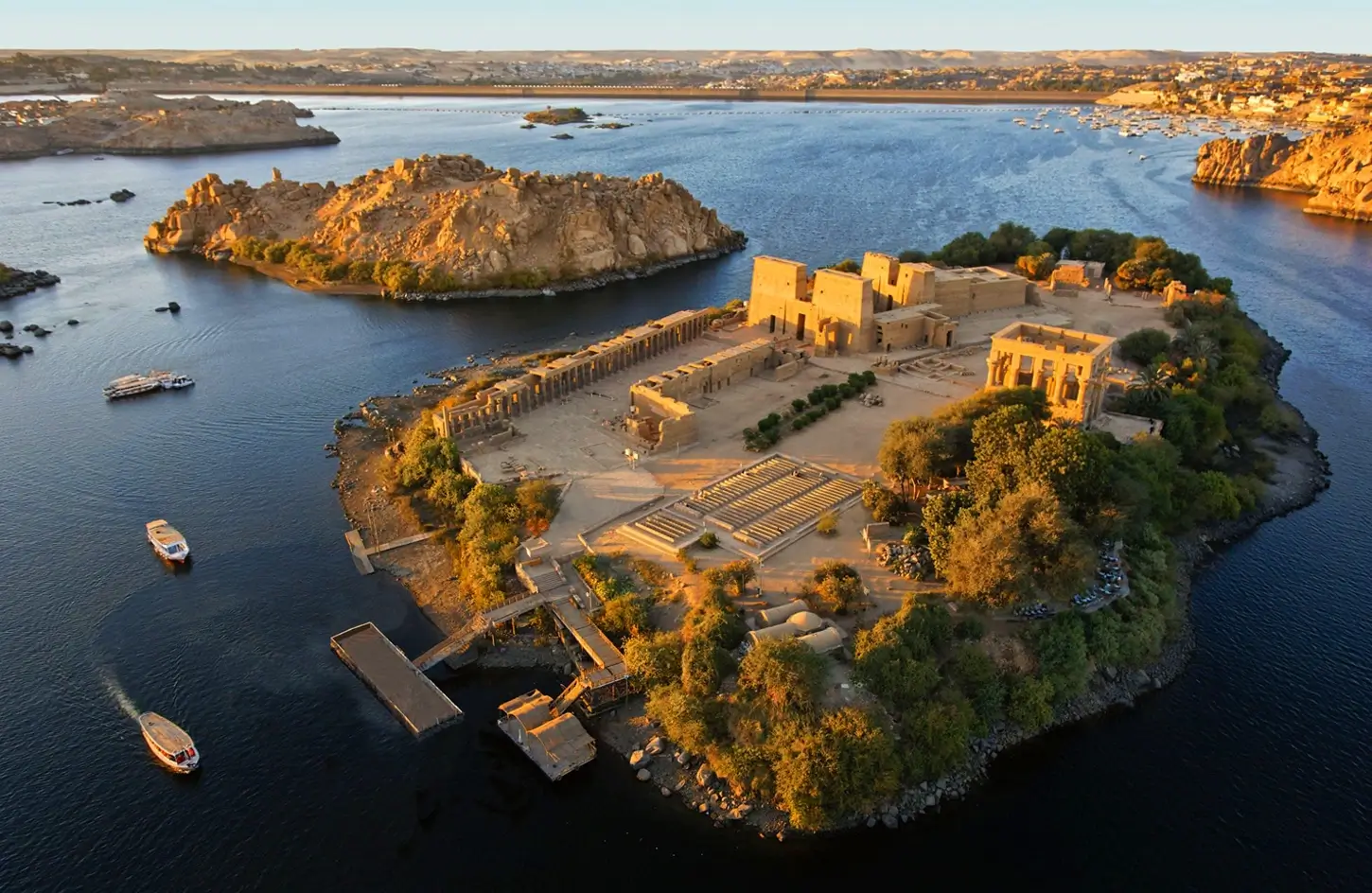
The best things to do in Aswan are: visiting Philae Temple on Agilika Island, touring the Aswan High Dam, sailing a felucca around Elephantine and Kitchener's Island, exploring a Nubian village in Gharb Soheil, browsing the Aswan Souk, visiting the Nubian Museum, and taking a full-day trip to Abu Simbel. Most travelers need a minimum...Read More